Your operation needs consistent cleaning schedules customized for unique hazards, daily throughput, allergen management, and regulatory visits, with auditable records confirming food safety measures, inspection compliance, and public health regulations. The details below give details about essential cleaning protocols.
Essential Summary
- Sanitation technicians in Brampton work with restaurants, grocery departments, commissaries, warehouses, bakeries, schools, mobile vendors, and allergen-sensitive operations.
- Frequently contacted areas, food-contact equipment, kitchens, floors, drains, restrooms, and storage areas are sanitized using sectional methods to prevent cross-contamination.
- Approved vendors validate approved sanitizer dilution, compatibility, and exposure duration, then record conclusion with checks, assessments, and corrective-action records.
- Sanitation plans need to adhere to hazard, production rate, transitions, spills, and guidelines, with everyday, recurring, and annual tasks allocated by location.
- Providers need to have HACCP, health regulatory understanding, WHMIS training, protection, endorsements, colour-coded tools, and audit-ready sanitation paperwork.
Which Brampton Facilities Need Food Safety Cleaning?
Food safety cleaning is essential for any Brampton facility that handles, maintains, prepares, packages, or offers food. Apply it to your facility if it comes under public health review, food regulations, or HACCP protocols. This includes restaurants, cafeterias, commissaries, grocery food departments, butcher shops, seafood counters, convenience stores, and institutional kitchens.
You also need documented food sanitation in storage facilities, food production centers, refrigerated locations, bakery retailers, school meal programs, event venues, and food distribution hubs. Temporary and mobile establishments count too, including mobile kitchens, festival sellers, and temporary food stands. If your staff work with raw supplies, divide prepared foods, warm dishes, or organize allergen inventory, your facility needs established sanitation documentation. In Brampton, hygiene isn't discretionary; it's part of regulatory, business, and safety compliance.
What Do Brampton Cleaning Experts Clean?
You require experienced cleaning professionals who sanitize frequently touched areas, cooking areas, flooring, and restroom facilities to ensure compliance with food safety and health standards. These locations are prioritized because they carry the greatest contamination risk, falling hazards, and regulatory breaches.
If you comprehend their cleaning services, you'll be able to confirm your facility meets all operational and regulatory compliance needs.
Sterilizing High-Touch Areas
arrange sterilization frequency considering usage patterns, exposure levels, and facility operations.
confirm that disinfection is proper and enable follow-up measures if results come exceed specified thresholds
Food Prep Areas, Flooring, and Sanitary Facilities
Brampton cleaning professionals will handle kitchens, floors, and restrooms since each space presents different hygiene concerns, slip-and-fall, and community health challenges. In industrial kitchens, you need grease removal from cooking stations, appliance surfaces, drain systems, preparation useful tips areas, and backsplashes to minimize contamination and pest pressure.
Floor care that is recorded should also be anticipated. Technicians scrub and extract buildup from grout, tile, and vinyl flooring, then apply proper moisture management so you can reduce slip incidents and meet regulatory standards. They also address entryways where moisture and debris migrate indoors.
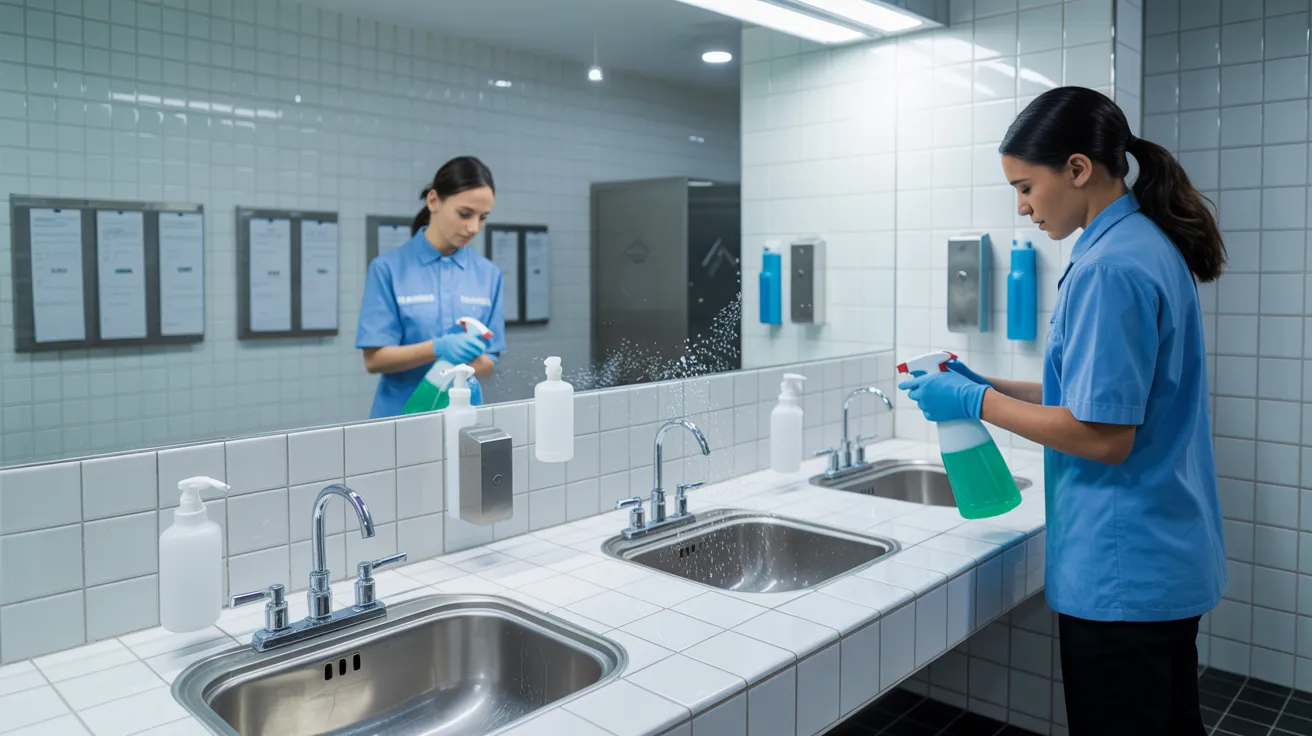
For restroom sanitation, cleaners sanitize touchpoints, fixtures, partitions, dispensers, and waste containers, then refill items and eliminate smells. They also maintain restaurant cleaning supply rooms where product storage, sink cleanliness, and drain systems impact daily sanitation standards and worker protection.
Why Food Safety Cleaning Matters in Brampton
In Brampton, you must maintain food-safe cleaning standards to meet health code requirements and pass inspections. You also reduce cross-contamination by cleaning and sanitizing food-contact surfaces, equipment, and high-touch areas correctly. Most importantly, you help protect public health by lowering the risk of foodborne illness in your facility.
Regulatory Code Requirements
Food establishments in Brampton face rigorous sanitary regulations, making food safety cleaning essential to fulfilling health code requirements, defending patrons, and eliminating enforcement action. You must maintain sanitized food contact points, written maintenance records, proper chemical use, and auditable operational standards that correspond to municipal and provincial inspection expectations.
When inspectors evaluate your operation, they evaluate whether your cleaning program supports safe storage, appliance cleanliness, waste handling, and facility cleanliness.
Contamination Management
Maintaining regulatory compliance copyrights on your capacity to prevent cross-contamination during daily food handling and cleaning. You must separate raw ingredients from ready-to-eat foods, sanitize prep surfaces between tasks, and position cleaning agents away from food surfaces. Explicit protocols lower contamination threats and reinforce steady regulatory adherence.
Implementing allergen segregation helps ensure major allergens don't touch shared surfaces, containers, or equipment. Deploy dedicated cutting boards, color-coded tools, and clear tool marking so staff don't mix items while preparing or distributing. Enforce hand hygiene following raw meat, seafood, eggs, or allergen-containing products. Refresh cleaning cloths often, and verify sanitizer strength with test strips. When you train staff to follow these controls per shift, you create a cleaner, safer operation that satisfies Brampton's food safety needs daily.
Public Health Protection
If proper sanitation declines, you don't merely risk a failed inspection—you amplify the risk of foodborne illness affecting customers, staff, and the broader Brampton region. You also weaken your role in safeguarding community wellness, especially in busy food facilities where contamination can spread quickly through surfaces, equipment, and touchpoints.
You require sanitation protocols that remove contaminants, sanitize properly, and confirm effectiveness. This involves adhering to contact periods, employing authorized sanitizers, documenting procedures, and training employees to satisfy regulatory standards. These mechanisms support disease prevention by limiting pathogens before contaminating food or surfaces. Across Brampton, strong cleaning safeguards vulnerable groups, reduces disease potential, and demonstrates accountability. When you maintain proper protocols, you exceed regulations—you meaningfully reduce risk and enable safer food service throughout the area.
How Can Cleaning Practices Ensure Food Safety Compliance?
Committing to comprehensive cleaning schedules solidifies food safety compliance by decreasing contamination threats, preventing pathogen multiplication, and maintaining your facility's adherence to sanitation requirements under HACCP-based programs and public health regulations. You verify that food-handling surfaces are visibly clean and microbiologically controlled, backing documented preventive controls and inspection readiness.
Cleaning initiatives additionally amplify allergen management by extracting residues that can cause undeclared allergen exposure.
When Do You Schedule Commercial Cleaning?
gather contaminants. Raise frequency
Arrange cleaning before and after special occasions, catering [[services, or public [[functions for successful event transitions.
What Should You Look For in Brampton Cleaning Experts?
Evaluate providers first by sanitation compliance standards rather than cost. You must ensure each provider understands CFIA, public health, and HACCP-aligned expectations for your business. Request insurance proof, WHMIS compliance, staff training documentation, and supervision methods. Check technician awareness of cross-contamination risks, chemical safety, and traceable sanitation records.
You should also assess business dependability and responsibility. Request references from Brampton food businesses, then examine turnaround periods, corrective-action procedures, and communication standards. Confirm the company participates in supplier audits and can present inspection-ready documentation when regulators or third parties request evidence. Check whether equipment is maintained is performed, color-coded implements are used appropriately, and site-specific hazards are recognized. A competent service protects compliance, product quality, and your brand reputation.
Which components are part of a Food Safety Cleaning Plan?
Create a documented strategy that defines every sanitation duty, guideline, and expectation before production starts. You should document cleaning frequencies, approved chemicals, dilution rates, contact times, tools, and verification methods for each area, section, and machine. Don't forget to add pre-operational inspections, corrective actions, and employee training requirements.
Your program should also cover contamination prevention, garbage management, pest control procedures, and recorded timelines for restrooms, drains, floors, and food-contact areas. Detail how you'll keep raw and prepared foods apart, support ingredient tracking, and ensure accurate allergen labeling through validated cleaning between product changes. You should designate accountability, maintain signed records, and review results against regulatory standards, HACCP controls, and customer requirements. When gaps appear, update procedures immediately and re-educate staff.
Regular Posed Questions
Will sanitation providers manage overnight shifts at Brampton properties?
If you operate controlled facilities, you'll also require records that support inspections and ensure quality assurance.
Will sanitation professionals respond to hazardous incidents?
Yes, you can discover many Brampton cleaning professionals providing spill response services. They handle hazardous incidents, evaluate risks, isolate contamination, and begin swift decontamination to minimize exposure and prevent business disruption. You should verify response rates, credentials, PPE measures, and waste procedures. If your facility must meet compliance standards, pick a provider that tracks incidents, follows procedures, and supports verification.
Do environmentally safe disinfectants function safely on food-contact surfaces?
Definitely, eco-friendly disinfectants work safely on food-contact surfaces if you purchase products labeled food safe that meet regulatory standards. You ought to validate contact times, mixing proportions, and rinse procedures in advance of use. Natural-based solutions decrease toxic chemical contact, but you should obtain evidence of effectiveness against target microorganisms. To ensure residue free surfaces, adhere to exact manufacturer guidelines and verify your sanitizer adheres to applicable food industry sanitation standards.
Will maintenance plans accommodate seasonal shifts?
Without question, maintenance plans adapt well for seasonal variations. Adapt frequencies, staffing, chemicals, and verification steps to align with seasonal workflows while upholding regulatory compliance. Lower equipment downtime by scheduling cleaning surrounding production shifts, peak volumes, and usage cycles. Further modify procedural documents, staff education, and environmental testing to account for temporary risks, new allergens, or increased soil loads. Consistent reviews ensure your schedule efficient.
Will commercial cleaners teach employees on hygiene best practices?
Indeed, professional cleaners typically provide employee coaching on proper hygiene. Your staff receives instruction on proper chemical use, contact times, cross-contamination prevention, equipment breakdown, and record-keeping. They typically follow instruction with HACCP, GMP, and CFIA or regional health standards criteria. Many perform compliance inspections to confirm standards, reveal issues, and strengthen improvement measures. This supports you in establish reliable processes, achieve compliance, and reduce food safety risks each day.
Final Thoughts
When you work with Brampton food safety and commercial cleaning specialists, you aren't merely cleaning—you maintain your facility audit-prepared and your standards compliant. From kitchens to processing floors, every polished surface and maintained area minimizes unwelcome guests and prevent costly setbacks. By scheduling service at the proper frequency and adhering to a detailed cleaning schedule, you safeguard staff, customers, and your reputation. In a strict regulatory setting, clean spaces aren't optional—they're part of doing business right.